SaaS pricing is getting ridiculous.
Not just expensive. Ridiculous. The average small business now pays for 12 to 20 different software subscriptions. Email marketing, project management, analytics, CRM, scheduling, invoicing, file storage. Each one bills monthly. Each one creeps up in price every year.
What started as $10/month quietly becomes $25, then $50, then "contact sales for enterprise pricing." Meanwhile, the features you actually use haven't changed.
The subscription trap
Here's the math that makes people uncomfortable. Take a small team of five people paying for a typical stack:
- Slack (Pro): $44/month
- Notion (Plus): $50/month
- Zapier (Professional): $20/month
- Calendly (Standard): $60/month
- Mailchimp (Standard): $20/month
- Google Analytics 360: $50K+/year (or "free" with your data as the product)
That's nearly $200/month before you even count the big one. And those are starting prices. Add more users, more contacts, or more automations and the numbers climb fast.
But the cost isn't even the worst part. It's the lock-in. Your data lives on their servers, in their format, behind their API. Try migrating away from Notion with three years of team docs. Try exporting your Zapier workflows to another platform. It's not fun, and in some cases it's not even possible.
You're not just paying for software. You're paying for the privilege of being trapped.
What changed
The open-source alternatives used to feel like compromises. Clunky interfaces, missing features, barely maintained repos with 200 GitHub stars.
That's not what 2026 looks like. The tools have caught up. In many cases, they've pulled ahead.
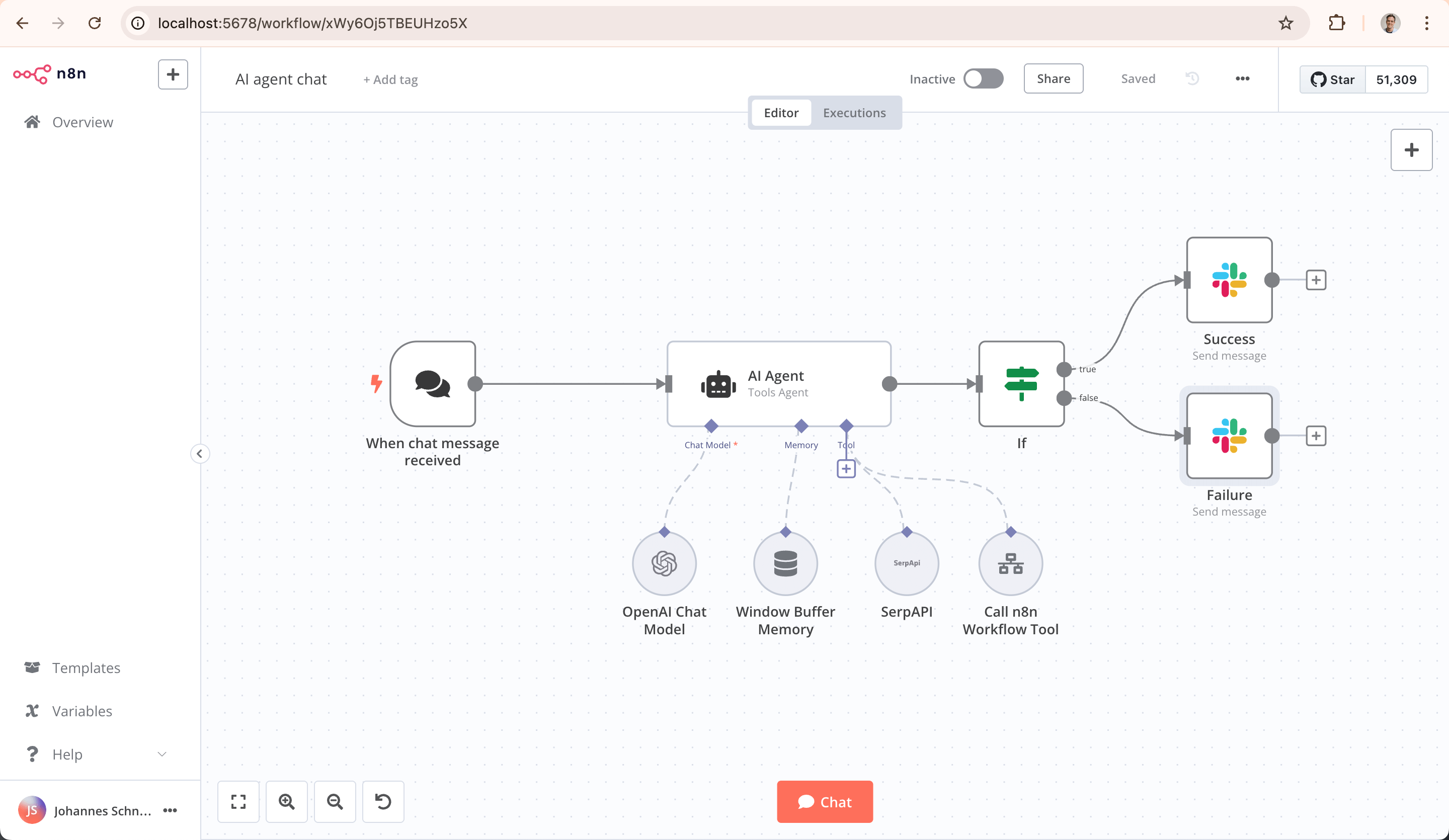
n8n has over 175K GitHub stars and replaces Zapier with more flexibility, no per-task pricing, and full workflow automation you actually own. You build automations visually by dragging and connecting nodes. No code required for most workflows, but full code access when you need it.
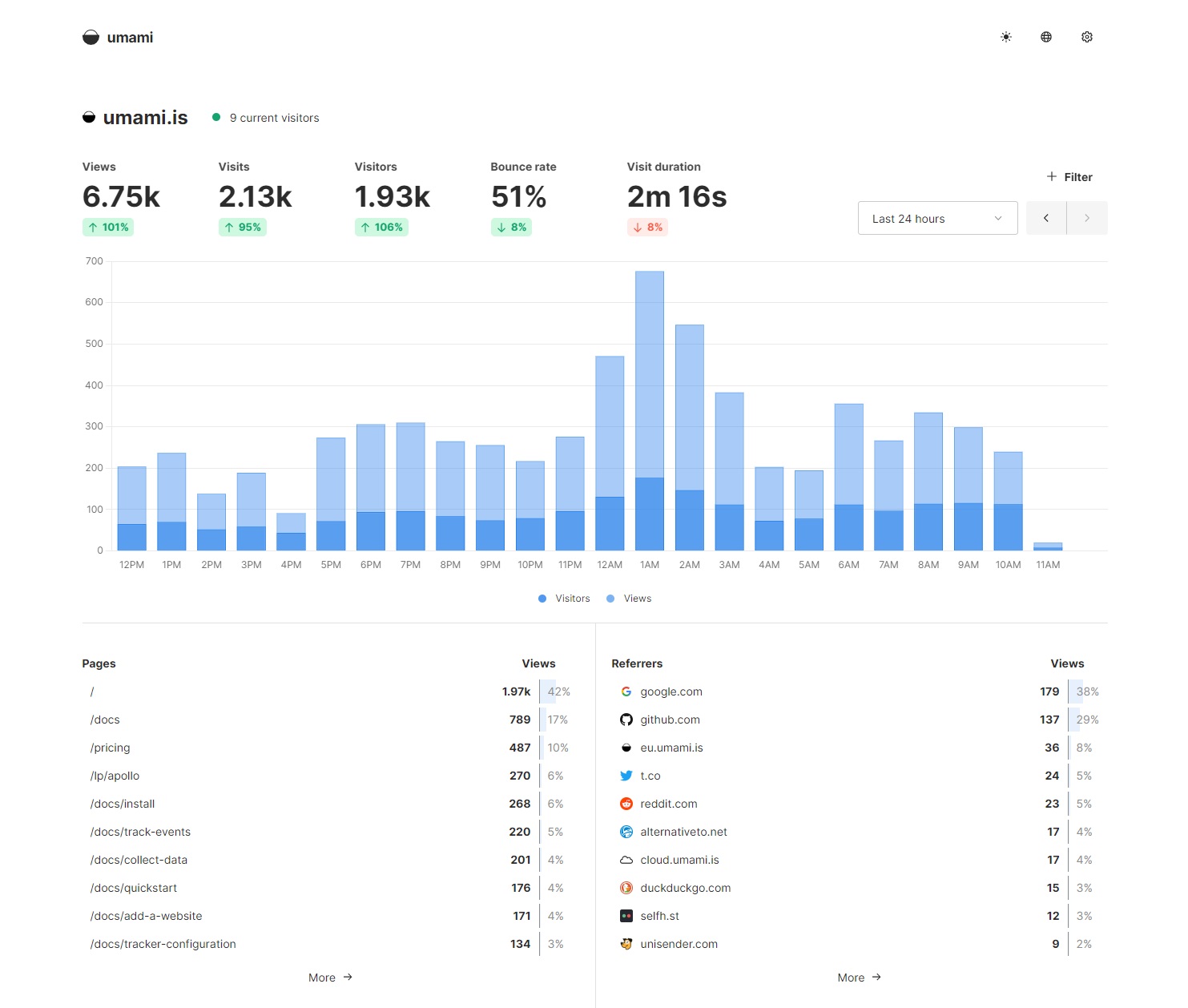
Umami is a privacy-first analytics tool with over 35K stars that gives you everything Google Analytics does for most businesses, minus the data harvesting. No cookie banners needed. No user data sold to advertisers. You see your traffic, your top pages, your referrers, and your visitor trends. That's what 90% of businesses actually need from analytics.
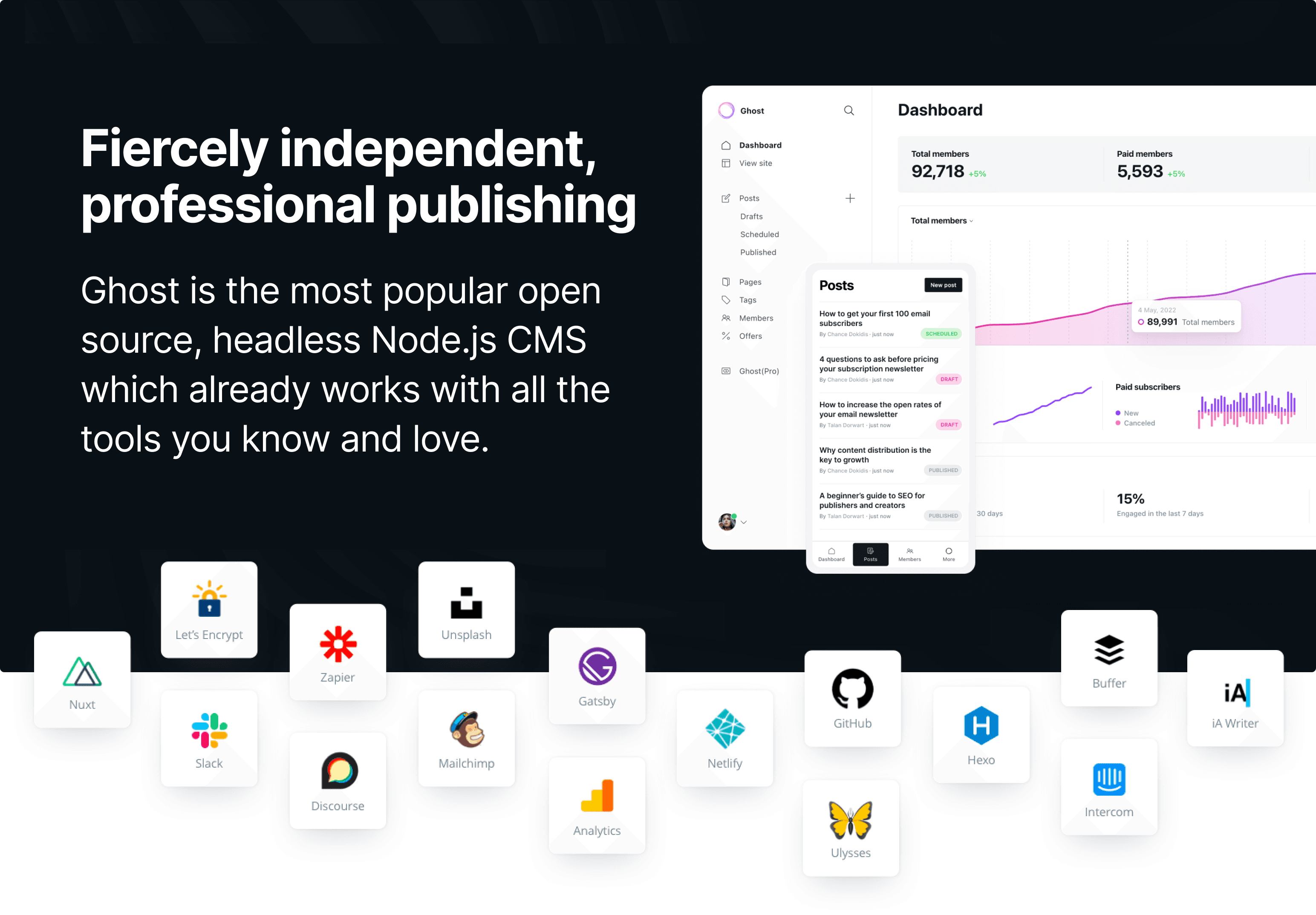
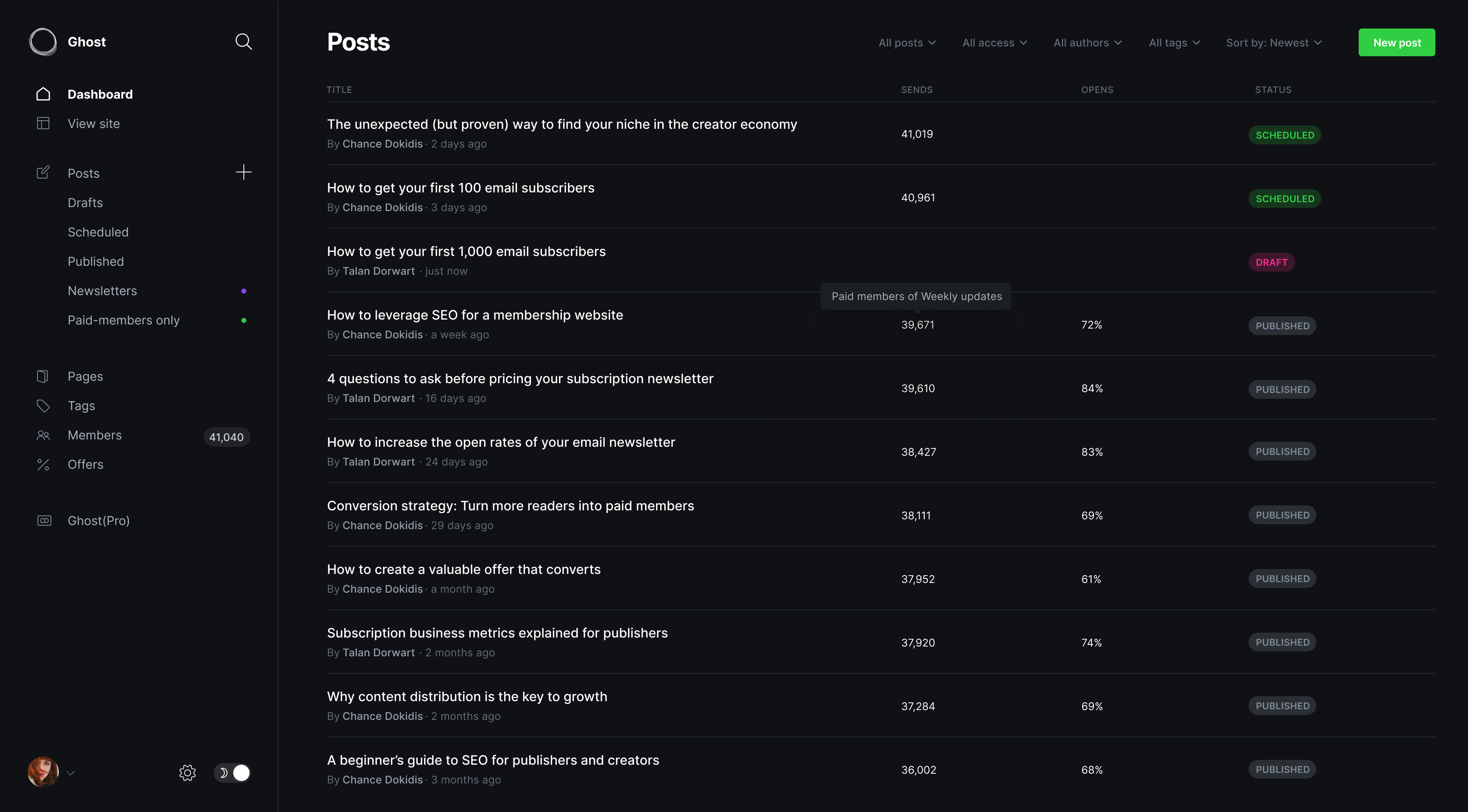
Ghost lets you run a full publishing platform with newsletters, memberships, and paid subscriptions. No platform fees on your revenue. No algorithmic feed deciding who sees your work. If you're building an audience, Ghost gives you the infrastructure without taking a cut.
Cal.com is a scheduling tool with 40K+ stars that does everything Calendly does, with complete control over branding, integrations, and routing. For teams that book calls with clients, it's a direct replacement with no per-seat surprises.
These are not side projects. They're backed by funded companies, used by thousands of businesses daily, and actively maintained by large open-source communities. In many cases, they ship features faster than the paid tools they replace.
The real problem was never the software
If these tools are so good, why isn't everyone using them already?
Because the software was never the hard part. The setup was.
To self-host any of these tools the traditional way, you needed to rent a server, install an operating system, configure Docker (a tool for running apps in isolated containers), set up a database, configure a reverse proxy (the thing that routes web traffic to your app), generate SSL certificates (the lock icon in your browser), and then maintain all of it. Forever.
Security patches. Disk space. Failed updates. Expired certificates. Backups you hope you never need but will definitely regret not having.
That's not a weekend project. That's a part-time job. And for a non-technical founder trying to run a business, it was never realistic.
So people kept paying for SaaS. Not because the SaaS was better. Because the alternative was too hard.
The middle ground
There's a growing category of tools that give you the benefits of open-source without the infrastructure work. You pick an app, someone else handles the server, the security, the updates, and the backups. Your data is still yours. The software is still open-source. But you never touch a terminal.
Think of it like the difference between building your own house and buying one. You still own it. You still decide how to use it. You just didn't pour the foundation yourself.
That's the approach we took with Easydep. You browse a catalog of open-source apps, click deploy, and get a running instance with its own secure URL in minutes. We handle the infrastructure. You use the software.
No Docker. No command line. No 45-minute YouTube tutorials on configuring nginx.
Who this makes sense for
Not everyone needs to switch. If your SaaS stack works, the pricing is fair, and you're not worried about data ownership, there's no reason to change things.
But if any of these sound familiar, it's worth exploring:
- Your SaaS costs keep climbing and you're paying for features you don't use
- You've hit pricing tiers that feel designed to force upgrades rather than deliver value
- You care about data privacy and want to know exactly where your customer data lives
- You're tired of vendor lock-in and want the freedom to switch tools without losing everything
- You run a small team and don't have the budget or bandwidth for a DevOps hire
The shift doesn't have to be dramatic. You don't need to replace your entire stack overnight.
Where to start
Try replacing one tool first. Start with the one that annoys you most, or the one with the highest monthly bill.
- Browse the app catalog to see what's available
- Find the app that replaces something you're currently paying for
- Deploy it and run both side by side for a week
You'll know pretty quickly whether the open-source version works for you. Most people don't go back.
If you're already thinking about which tool to try first, check out our guide on self-hosting without technical skills for a closer look at how managed self-hosting actually works.