"Self-hosting" sounds intimidating. Like something that requires a computer science degree and a weekend of typing cryptic commands into a black terminal window.
For a long time, that was pretty close to the truth.
But the meaning of self-hosting is shifting. And if you've been paying $500+/month for SaaS tools and feeling uneasy about where your data actually lives, this shift matters.
What self-hosting really means
At its simplest, self-hosting means running software on infrastructure you control instead of on someone else's platform. The code is open. The data is yours. Nobody can change the pricing on you, limit your usage, or shut down the product and leave you scrambling for alternatives.
The benefits are straightforward:
- You own your data. Your customer lists, messages, files, and analytics stay with you. No third party is mining them or selling access to advertisers.
- No vendor lock-in. If a tool stops working for you, switch to another one. Your data comes with you because it was always on your infrastructure.
- Lower costs over time. Open-source software is free. The only recurring cost is hosting, which is typically a fraction of what SaaS companies charge.
- Full control. You decide when to update, what features to enable, and who has access.
Why most people never self-hosted
The benefits sound great in theory. In practice, traditional self-hosting meant:
- Renting a server from a cloud provider like DigitalOcean or Hetzner
- Setting up and securing the operating system
- Installing tools to run the software (like Docker, a system that packages apps so they run the same way everywhere)
- Configuring the application with the right database and settings
- Setting up a reverse proxy (the part that routes internet traffic to your app) and SSL certificates (the lock icon in your browser that means the connection is secure)
- Monitoring the server, applying updates, and running backups. Forever.
Even for a developer, that's half a day of work per app. For someone without a technical background, it's a wall. And the maintenance never ends. Security patches, disk space, failed updates, expired certificates.
That's why most businesses kept paying for SaaS even when they knew better alternatives existed.
Managed self-hosting: what it actually looks like
The idea behind managed self-hosting is practical. You get the ownership and flexibility of self-hosting, but someone else handles the infrastructure work. The software is still open-source. Your data is still yours. But you don't need to know what any of those technical terms mean.
The best analogy is cars. You own the car. You decide where to drive. But you don't build the engine yourself, and you take it to a mechanic for oil changes. Managed self-hosting works the same way.
With Easydep, the process looks like this:
- Browse the catalog and pick an app
- Click deploy
- Get a live instance with a secure URL in minutes
- We handle the servers, security, updates, and backups
That's it. No command line. No server configuration. No 45-minute YouTube tutorial.
What these tools actually look like
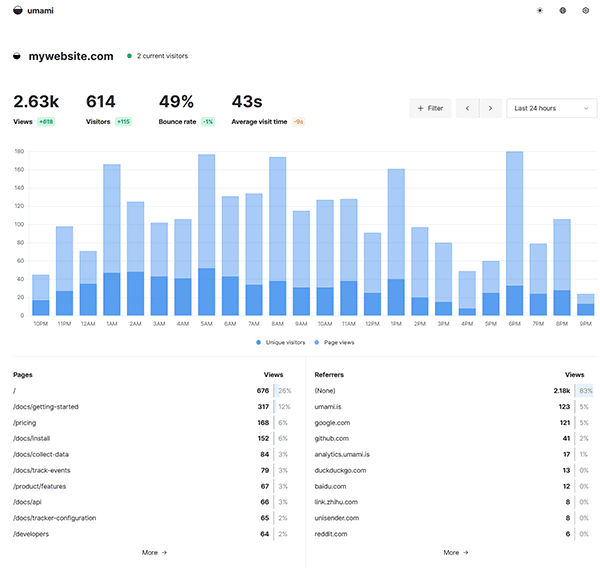
If you've never seen an open-source alternative in action, here's what you're working with. These aren't rough prototypes. They're polished, production-ready tools used by thousands of businesses.
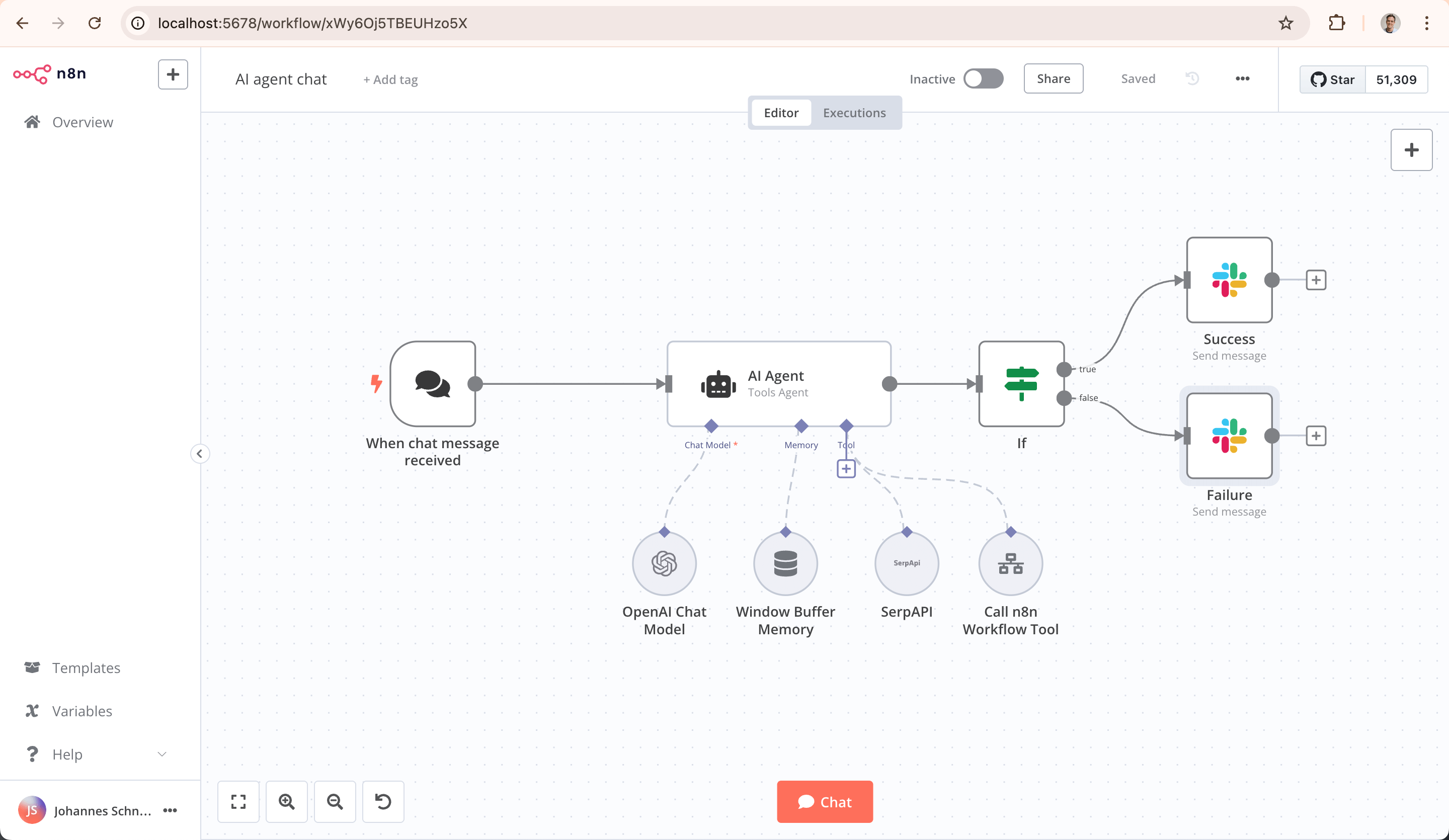
n8n gives you a visual workflow builder with over 175K GitHub stars. You drag, drop, and connect nodes instead of writing code. It replaces tools like Zapier, but with no per-task limits and no surprise bills when your automations scale.
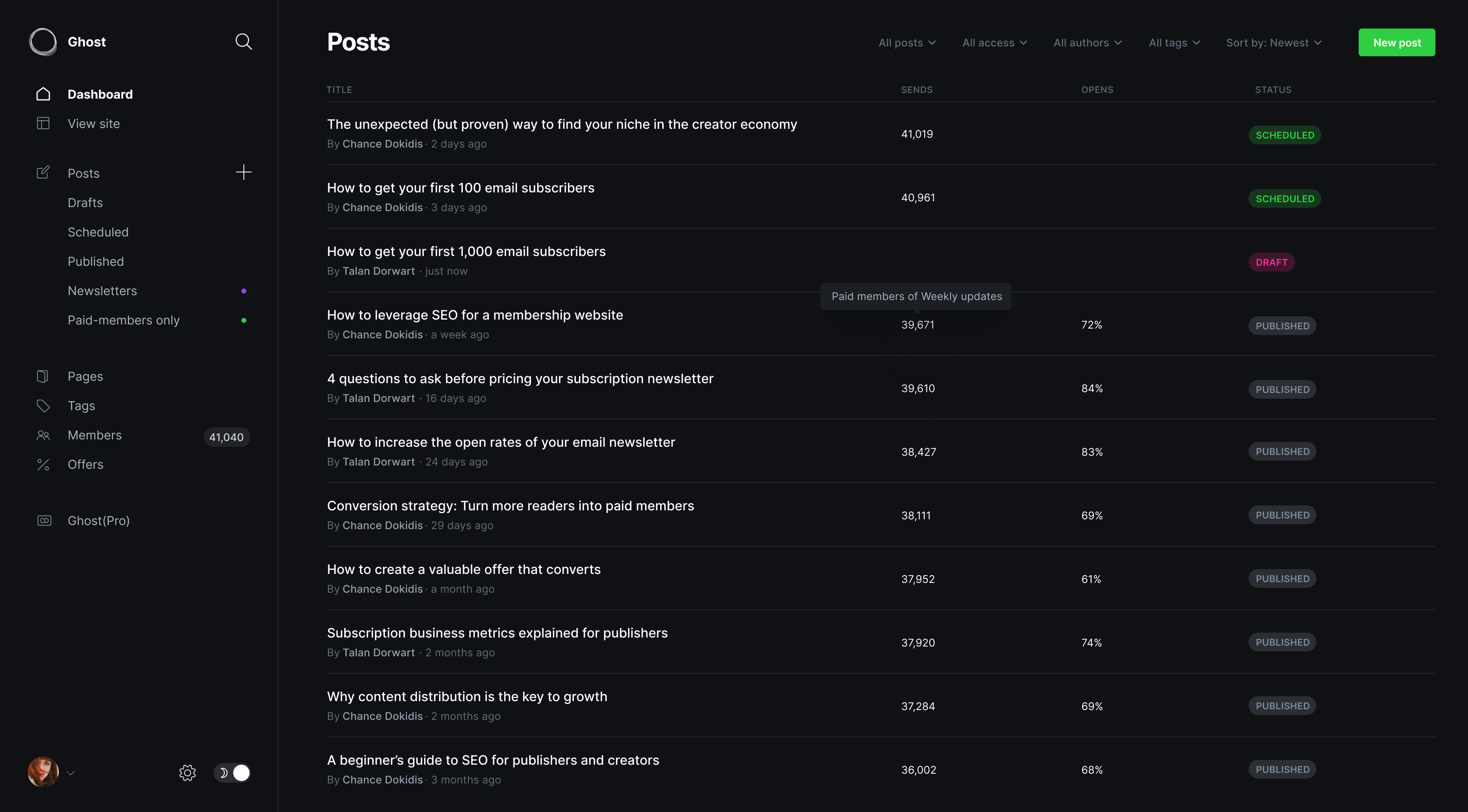
Ghost is a full publishing platform with built-in newsletters, membership management, and analytics. It replaces WordPress and Substack with zero platform fees on your revenue. Over 3 million publications have been built on Ghost.
If you want to see more tools and what they replace, check out our guide on why open-source alternatives are taking over.
Who this actually makes sense for
Managed self-hosting isn't for everyone. If you're a developer who enjoys running your own server setup, you probably don't need it. You already know how to deploy and maintain applications.
But it makes a lot of sense if you:
- Run a small business and spend more on SaaS subscriptions than you'd like to admit
- Care about data privacy but don't have a technical team (or budget for one)
- Want to try open-source tools like n8n, Ghost, or Umami without spending a weekend on setup
- Need something running today, not after you finish a tutorial series on server administration
The key question isn't "can I learn to self-host?" You probably can. The real question is whether your time is better spent running your business or configuring servers.
The industry is heading this way
Schleswig-Holstein, a German state, replaced Microsoft Office with open-source alternatives for 30,000 government employees. Hack Club, a nonprofit network of coding clubs, switched from Slack to self-hosted Mattermost after Slack raised prices by roughly 40x. French schools banned both Google Workspace and Microsoft 365, moving to sovereign, locally hosted solutions.
These aren't fringe stories. They're signals. Businesses and governments are recognizing that depending on SaaS platforms means depending on someone else's roadmap, pricing decisions, and data policies.
The open-source alternatives have gotten genuinely good. The managed hosting infrastructure has matured. The only barrier that used to exist, the technical complexity, is disappearing.
Self-hosting used to require technical skills. It doesn't anymore. The tools are ready. The infrastructure is ready. The only question is whether you're ready to own what you use.